But a successful corporate retreat needs more than a beautiful location. The best retreats balance productive work with shared experiences, good food, downtime and enough flexibility for conversations that weren't on the agenda.
For organisations considering a corporate retreat in NSW, the Mid North Coast offers an attractive combination of accessibility and genuine escape. Coffs Harbour can be reached by road or air, while the surrounding hinterland provides the privacy, natural environment and sense of separation that make going away together worthwhile.
Here are some of the most important things to consider when planning your next corporate retreat.
1. Start with the purpose, not the venue
Before choosing where to go, decide what you want the retreat to accomplish.
Is the priority strategic planning? Leadership development? Team building? Celebrating a successful year? Working through organisational change? Giving a leadership team uninterrupted time together?
A retreat built around annual strategy will look quite different from one designed primarily to strengthen relationships.
Try completing one sentence: “By the time we leave this retreat, we want our team to…”
That answer should shape everything that follows, from the location and length of stay to the amount of structured meeting time you schedule.
2. Choose somewhere that actually feels away
One reason to hold a retreat is to remove people from the environment in which they normally work.
Moving a meeting from the office to a conference room fifteen minutes down the road may change the scenery, but it doesn't necessarily change the mindset. A destination retreat creates a clearer break.
The Coffs Harbour region works particularly well because it sits on the NSW Mid North Coast between Sydney and Brisbane and combines transport connections with beaches, rainforest and hinterland.
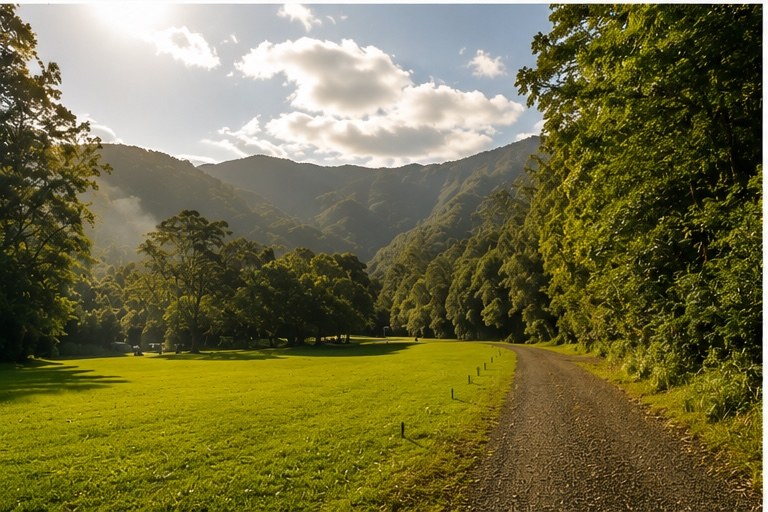
Once you move west of Coffs Harbour into the surrounding valleys, the environment changes quickly. The city disappears and the landscape becomes increasingly rural and natural. That sense of separation can be particularly valuable for leadership and strategy retreats.
3. Consider exclusive use
Hotels and conference centres can provide excellent facilities, but your team will usually be sharing the property with other guests, conferences, weddings and holidaymakers. For some corporate retreats, that doesn't matter. For others, privacy can make an enormous difference.
Having a property exclusively for your group allows conversations to continue naturally over breakfast, around a fire, beside the pool or during a walk. People don't have to continually transition between “meeting time” and the rest of the retreat.
It can also be particularly valuable when discussions involve confidential strategy, organisational change or leadership issues.
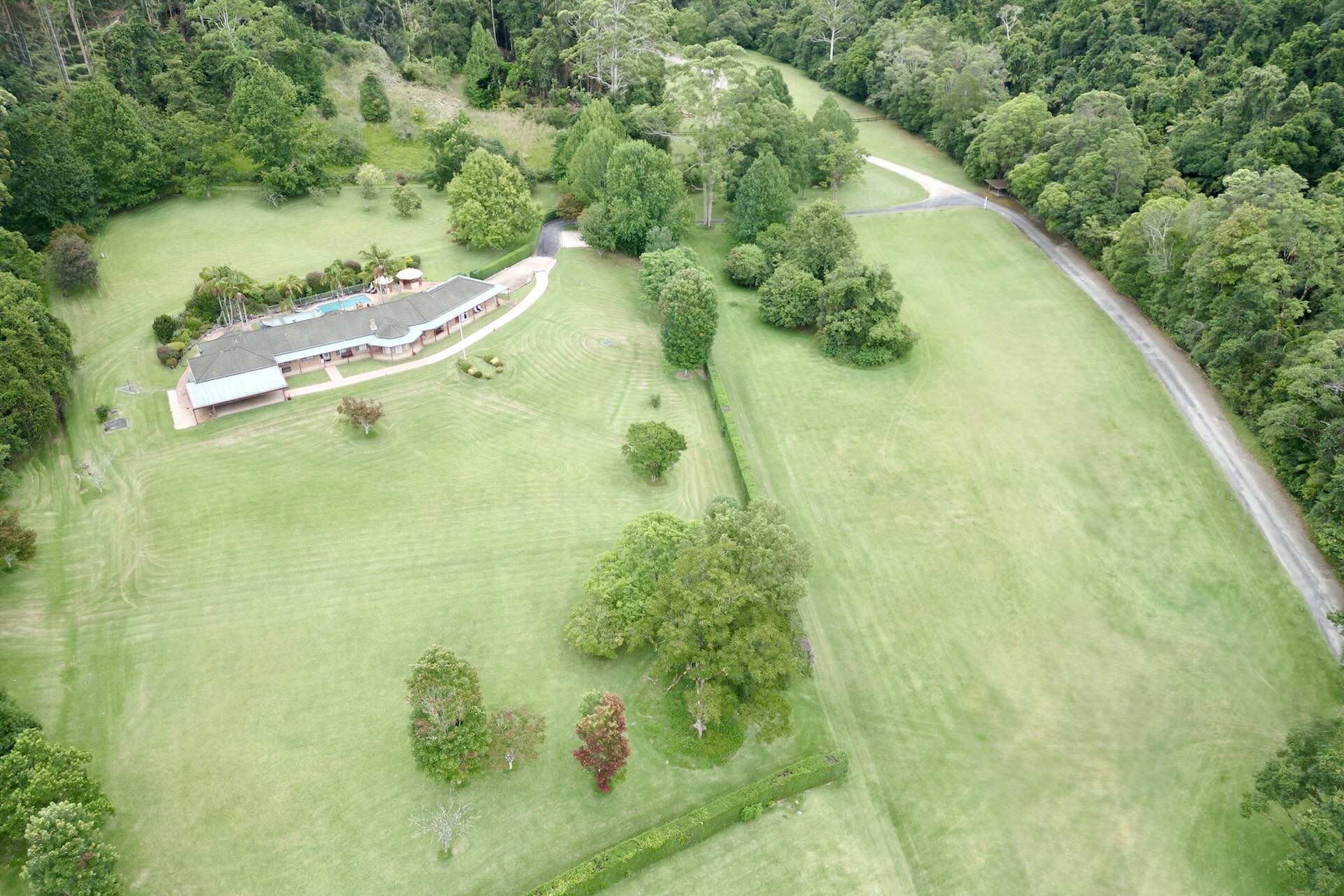
At Oasis of Hope in the Coffs Harbour hinterland, corporate groups can hire the private estate for themselves, combining accommodation, meeting spaces and extensive outdoor areas in one location. Our leadership retreat page sets out how that works for a team.
4. Put accommodation and meeting spaces together
If you're planning an overnight retreat, having everyone stay where the meetings happen simplifies almost everything. There is no morning transport between accommodation and the venue. Nobody needs to find parking. Sessions can start when the group is ready rather than when everyone has arrived.
More importantly, some of the most valuable parts of a retreat often happen outside the formal programme. A conversation over breakfast can resolve something that remained stuck during the previous day's meeting. Two team members might develop an idea while walking after dinner. A leadership discussion might naturally continue long after the scheduled session has finished.
Keeping people together gives those conversations room to happen. When comparing venues, check not only the number of bedrooms but also the actual bed configuration, bathrooms and whether colleagues will be expected to share rooms. Our accommodation page sets out the homestead and Garden Wing layout in detail.
5. Make sure the working facilities are genuinely practical
Beautiful surroundings won't compensate for a meeting room that doesn't work.
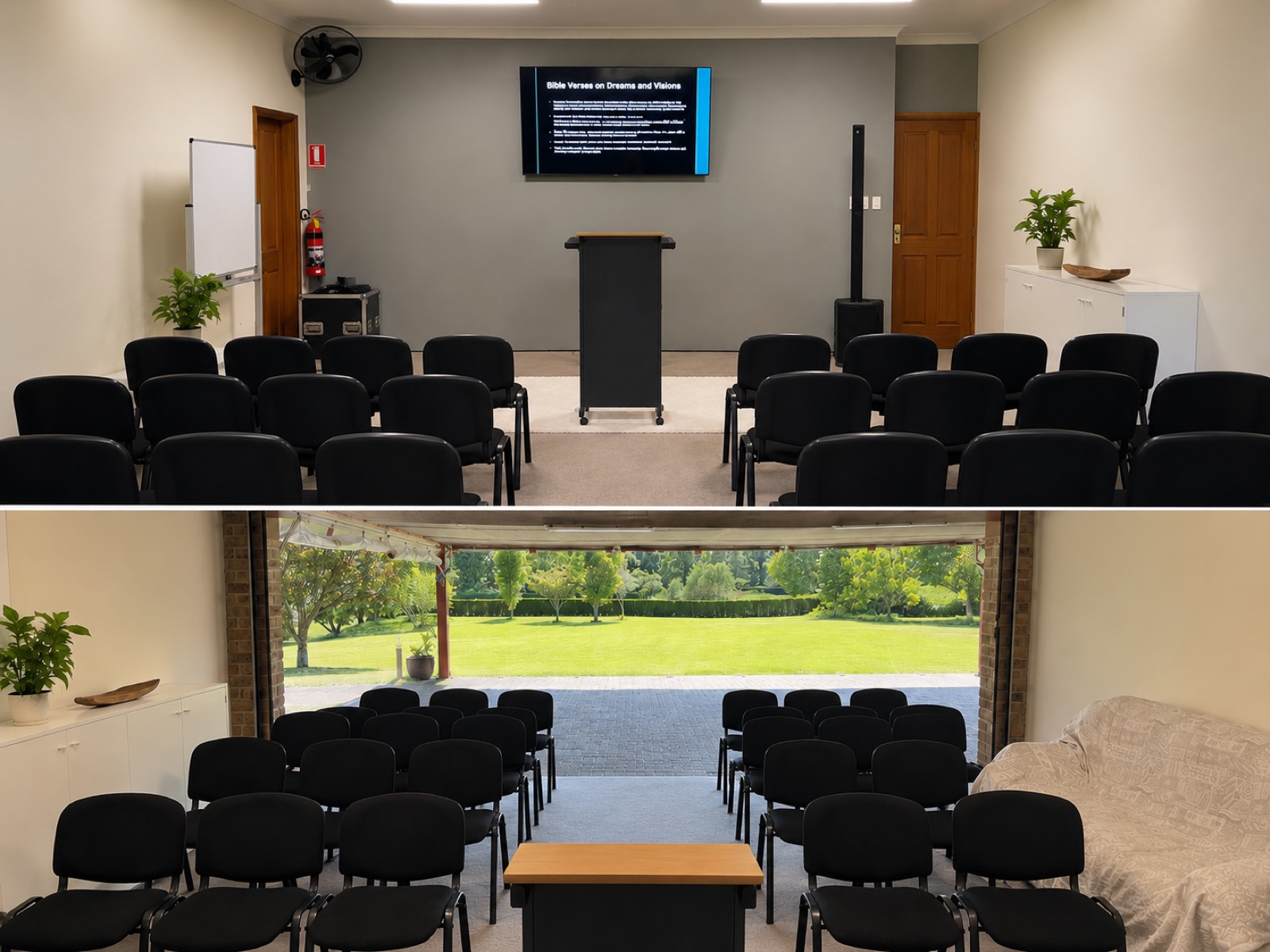
Before booking, check what is actually available. Depending on your programme, that might include a dedicated meeting room, large presentation screen or projector, reliable Wi-Fi, sound equipment, whiteboards or flipcharts, tables that can be rearranged, smaller breakout areas and indoor alternatives for wet weather.
Also think beyond the formal meeting room. A good retreat venue should provide different environments. A morning strategy session might need a screen and table, while an afternoon discussion could work better outside or in comfortable lounge seating. Changing the physical environment during the retreat can help change the energy of the conversation as well.
6. Don't schedule every minute
One of the most common mistakes in retreat planning is trying to justify the time away by filling the programme.
Breakfast. Session. Morning tea. Session. Lunch. Workshop. Session. Activity. Dinner. Presentation. By the end, everyone needs a retreat from the retreat.
Leave margins. If you have spent three hours discussing strategy, give people an hour to swim, walk, exercise, sit outside or simply be alone.
Unstructured time isn't necessarily wasted time. It allows people to process what has been discussed and creates space for spontaneous conversations.
A useful rhythm might be:
- Morning — important strategic work
- Lunch — a shared meal
- Early afternoon — downtime or activity
- Late afternoon — a shorter collaborative session
- Evening — dinner and relationship-building
The exact programme will depend on your objectives, but alternating focused work with genuine breaks usually produces better engagement than an all-day conference schedule.
7. Use nature rather than just looking at it
A beautiful view is valuable. Actually getting outside is better.
The Mid North Coast provides plenty of opportunities to incorporate nature into a corporate retreat without turning the experience into an adventure camp.
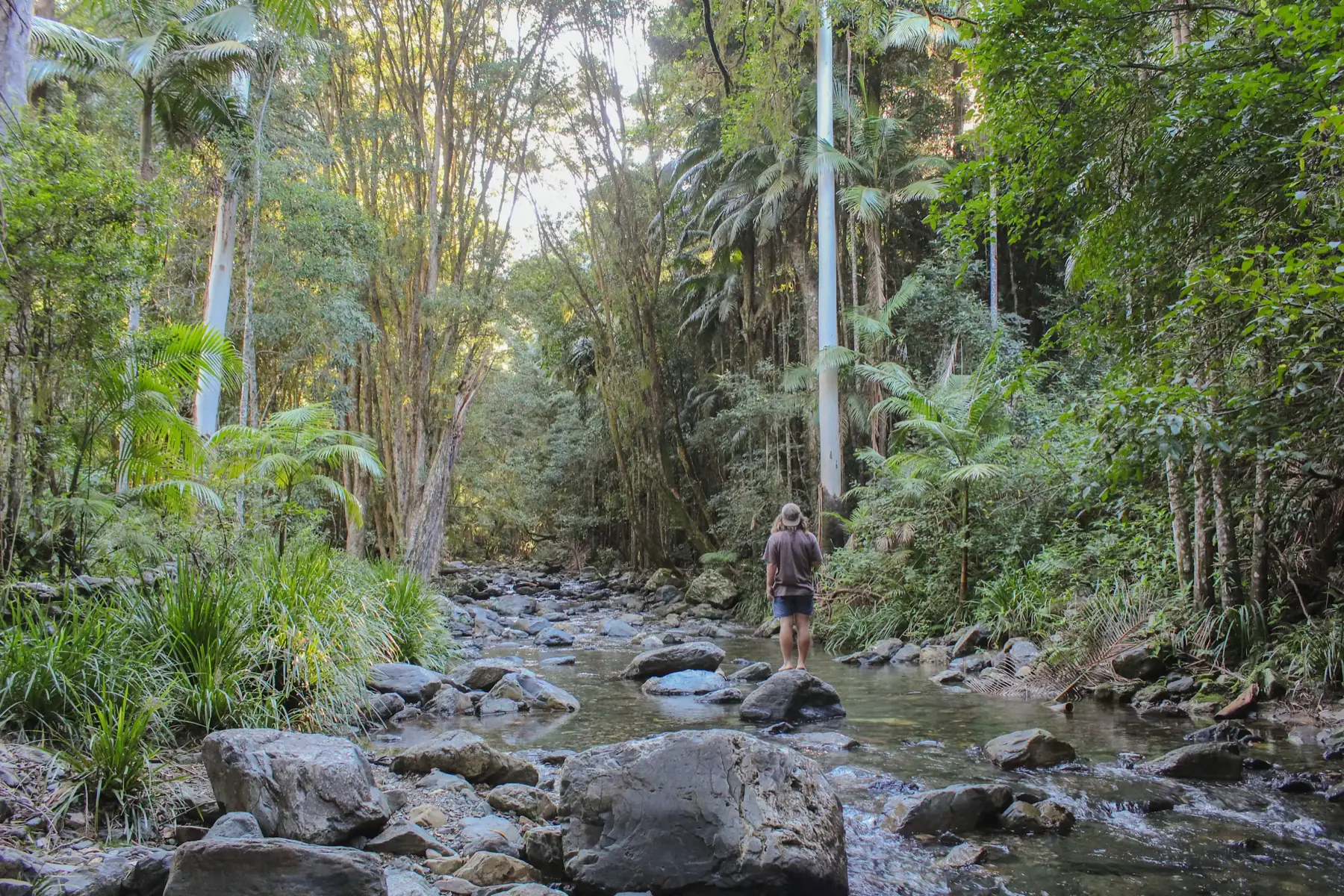
One of the most memorable experiences at Oasis of Hope is the waterfall walk that begins directly from the property. Rather than driving to a walking trail, groups can simply leave the estate and follow the creek into the surrounding rainforest, with Oasis of Hope bordered by State Forest and national park.
The walk follows the creek through rock pools, rainforest and swimming holes before reaching a secluded waterfall and natural swimming pool. It is a genuine creek route rather than a formed track — the full creek and waterfall guide covers what it involves.
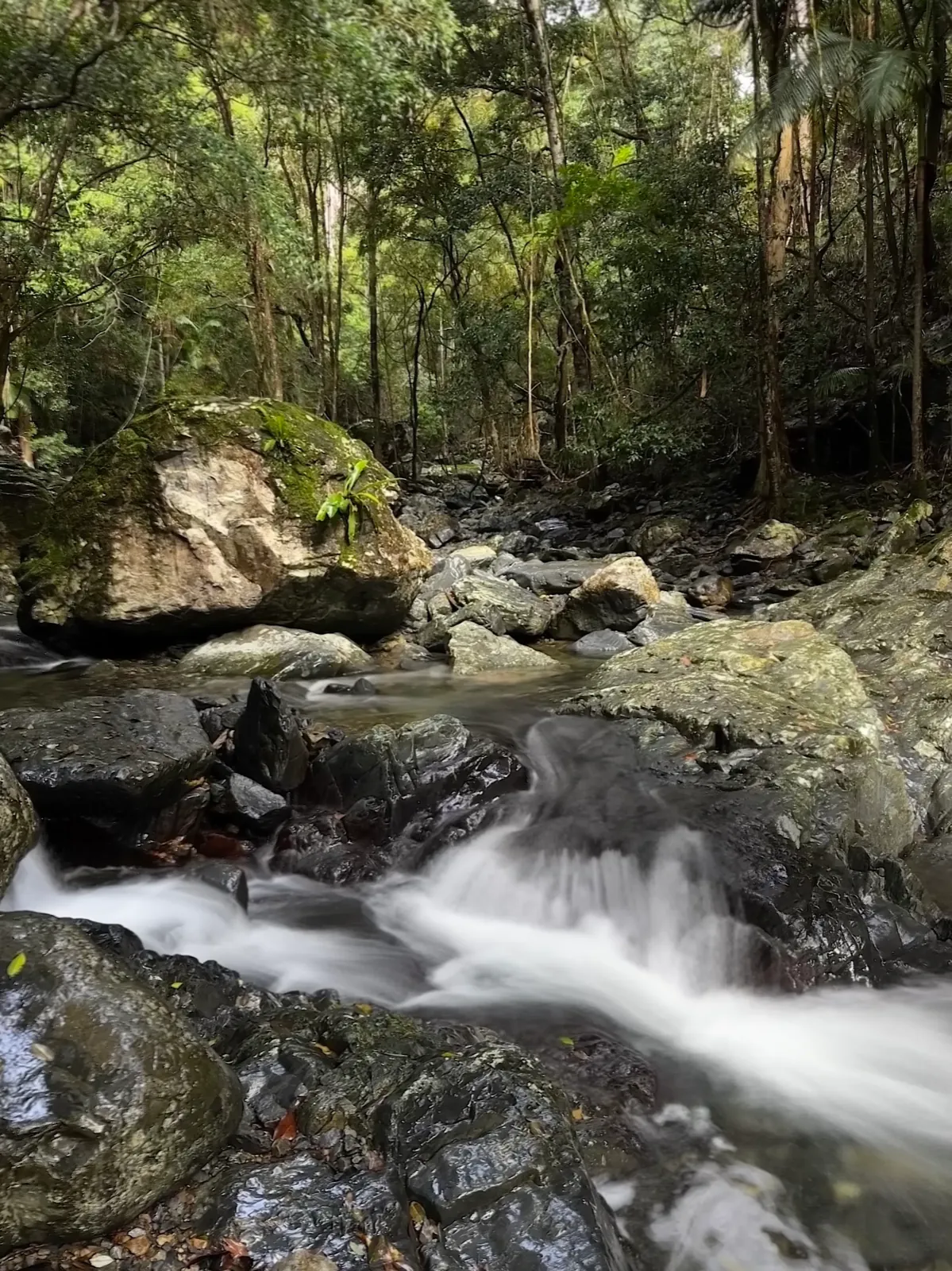
For a corporate group, it can become a genuine shared experience within the retreat itself — a chance to leave the meeting room, walk together, talk without an agenda and, for those who want to, finish with a swim beneath the waterfall.
Groups can also make use of the estate's extensive lawns, swimming pool and outdoor gathering areas, making it easy to alternate focused work sessions with genuine time outside.
For teams that spend most of their working lives in offices, meetings and looking at screens, that change of environment can be one of the most valuable parts of the retreat.
8. Think carefully about meals
Food has a bigger influence on the atmosphere of a retreat than people sometimes expect.
You essentially have three options: cater everything, self-cater, or combine the two. Full catering is easiest for the organiser and allows the team to concentrate completely on the retreat. Self-catering can reduce costs and works well for smaller, informal teams. A combination can work particularly well — for example, providing breakfast ingredients and simple lunches while catering a more substantial dinner.
There is also a team-building element to food. Preparing a barbecue together or sitting around a long table can create a completely different atmosphere from everyone eating separately in a restaurant.
Ask potential venues what kitchen, barbecue and catering facilities are available before deciding how you'll handle meals.
9. Build one memorable shared experience into the retreat
People may forget the fourth PowerPoint presentation. They are less likely to forget the thing they experienced together.
It doesn't have to be elaborate. It could be a waterfall walk, a team challenge, an outdoor dinner, swimming, a facilitated activity, a coastal excursion or simply an evening around a fire.
The objective isn't entertainment for entertainment's sake. Shared experiences create stories and memories, and those help strengthen relationships. Choose something appropriate to your team's culture. A highly competitive physical challenge might energise one group and alienate another.
10. Plan for wet weather
The best retreat programme should still work if it rains.
Before booking a venue, ask whether there is enough indoor meeting space, where people can gather informally, whether activities can be moved indoors, how close the accommodation and meeting areas are, and whether there are comfortable places for people during downtime.
A retreat surrounded by nature is wonderful, but the programme shouldn't depend entirely on sunshine.
11. Consider two nights instead of one
If budget allows, two nights can significantly change the feel of a retreat.
With a single overnight stay, much of the first day can disappear into travel and arrival, while the second day already carries the awareness that everyone needs to leave. Two nights create a full day in the middle when nobody is arriving or departing.
A typical structure might be:
- Day one — arrival, orientation, opening session, dinner and an informal evening
- Day two — main strategy or development sessions, shared activities, downtime and team dinner
- Day three — reflection, decisions, action planning and departure
This gives the retreat a natural beginning, middle and end.
12. Finish with decisions, not just good conversations
A retreat can feel enormously productive while everyone is away and then have surprisingly little effect once people return to work.
Before leaving, capture:
- What have we decided?
- What will change?
- Who owns each action?
- What happens next?
- When will we review progress?
Consider making the final session shorter and highly practical. The purpose is to translate the clarity created during the retreat into action back at work.
Why the NSW Mid North Coast works well for corporate retreats
The Mid North Coast offers something increasingly valuable to teams: genuine separation from the everyday without requiring an inaccessible destination.
Coffs Harbour provides the practical infrastructure of a regional city, including an airport, accommodation, restaurants and services, while the surrounding hinterland offers a very different experience within a relatively short drive.
For Sydney and Brisbane organisations, it can also work as a destination that feels sufficiently removed from both cities to create a genuine retreat rather than simply another workday in another building.
Corporate retreats at Oasis of Hope
Oasis of Hope is a private estate in the Coffs Harbour hinterland designed for groups who want to meet, stay and spend time together in one place.
The estate combines overnight accommodation for up to 21 guests in the main accommodation areas with meeting and gathering spaces, a 75-inch presentation screen, extensive lawns and outdoor areas, a swimming pool, spa and sauna, and access to the surrounding natural property.
Rather than operating as a conventional conference hotel, Oasis is particularly suited to teams looking for privacy, exclusive use and a more relaxed environment for strategy, leadership development, workshops and company retreats.
For larger daytime gatherings, additional event spaces can also be incorporated depending on the group's requirements.
Corporate retreat planning checklist
- What is the main objective of the retreat?
- How many people are attending?
- How many nights will you stay?
- Does the accommodation configuration suit colleagues?
- Is there an appropriate meeting room?
- What presentation and AV equipment is provided?
- Is Wi-Fi available where you need it?
- Are there breakout spaces?
- How will meals be handled?
- What activities will you include?
- Is there enough unscheduled downtime?
- What is the wet-weather plan?
- How will people travel to the venue?
- What decisions and actions need to come out of the retreat?
A little planning at the beginning can make the difference between simply taking the team away for a few days and creating a retreat that genuinely changes how people work together.